

The Impact of Contrast Therapy on Muscle Protein Synthesis and Recovery
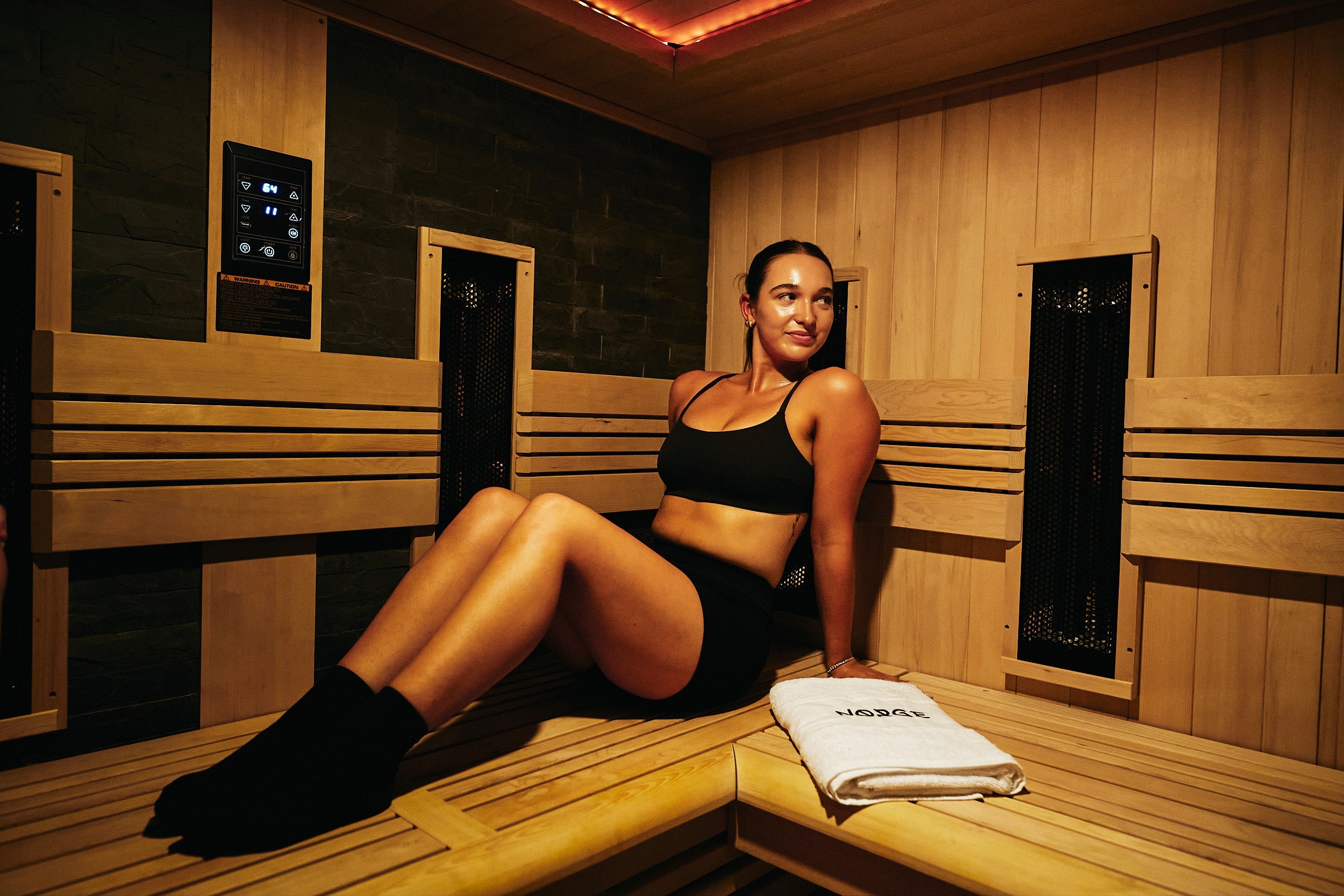
An athlete immerses in a contrast bath (cold-water immersion), part of an alternating hot/cold therapy routine, to aid post-exercise muscle recovery. Contrast therapy – alternating exposure to hot and cold, typically via water immersion or specialized equipment – is a popular recovery technique in sports medicine. By rapidly shifting between heat-induced vasodilation and cold-induced vasoconstriction, contrast therapy creates a “vascular pumping” effect that increases blood circulation and tissue perfusionpmc.ncbi.nlm.nih.gov. This pumping action delivers oxygen and nutrients into muscle tissue while flushing out metabolic waste products, reducing swelling (edema) and aiding the healing of microdamagepmc.ncbi.nlm.nih.gov. Athletes, fitness professionals, and clinicians alike use contrast baths, hot/cold tubs, or cryotherapy-sauna combinations in hopes of speeding up recovery, reducing soreness, and ultimately improving performance. But how does this hot-cold regimen affect the biological machinery of muscle growth, namely muscle protein synthesis (MPS)? In this post, we provide an evidence-based overview of contrast therapy’s physiological effects, explain the mechanisms of MPS, analyze what current research says about how contrast therapy influences MPS (directly or indirectly), and discuss the practical benefits and limitations. We’ll also consider how Norge’s contrast therapy systems (e.g. hot/cold tubs and cryotherapy units) can be used as effective tools to optimize recovery and performance, with a balanced perspective for athletes and researchers.
What is Contrast Therapy? Physiological Effects of Hot–Cold Exposure
Contrast therapy involves repeated bouts of thermal exposure – typically immersing the body (or a limb) in hot water followed by cold water, and alternating for multiple cycles. A common protocol, for example, might be 3–4 minutes in a hot tub (~38–40°C), then 1 minute in a cold plunge (~8–12°C), repeated for 15–30 minutespmc.ncbi.nlm.nih.gov. Some athletes use infrared saunas or heat pads for the hot phase and ice baths or cryo-chambers for the cold phase. The key principle is that heat causes blood vessels to widen (vasodilation), while cold causes them to narrow (vasoconstriction)thenorge.compmc.ncbi.nlm.nih.gov. Alternating between these extremes forces the circulatory system to rapidly expand and contract. This creates a dynamic “flush” or pumping of blood and lymph fluid through muscles and surrounding tissuesthenorge.compmc.ncbi.nlm.nih.gov.
Physiologically, this vascular pumping can have several benefits. During the hot phase, increased blood flow brings a surge of oxygen and nutrient-rich blood to muscle cells, and warmth makes soft tissues more pliable (increasing muscle elasticity)nature.comnature.com. During the cold phase, reduced tissue temperature can limit blood pooling and help prevent excess inflammation, while also numbing nerve endings to provide pain relief. When repeated, the cycle of vasodilation/constriction enhances microcirculation, which is crucial for delivering the building blocks of repair (oxygen, amino acids, hormones) to muscles and for removing metabolic wastes (such as lactate)nature.com. One laboratory study using near-infrared spectroscopy demonstrated that a 30-minute contrast water bath significantly increased intramuscular oxygenation and blood volume in calf muscles by the end of the sessionpmc.ncbi.nlm.nih.govpmc.ncbi.nlm.nih.gov – confirming that contrast therapy boosts tissue perfusion in ways a single-temperature treatment might not. Improved circulation and oxygen delivery set the stage for healing and recovery in muscle fibers.
Contrast therapy also engages the nervous system. Cold exposure stimulates the sympathetic nervous system, leading to spikes in adrenaline (epinephrine/norepinephrine) and a temporary increase in alertness while also elevating the pain threshold (hence cold’s use as an analgesic)thenorge.com. Heat has the opposite effect – it activates the parasympathetic response, relaxing muscles, relieving spasms, and even triggering release of endorphins (natural painkillers)thenorge.com. By alternating these stimuli, contrast therapy can help reduce soreness and stiffness: cold constrains the inflammatory response and eases acute pain, whereas heat promotes muscle relaxation and flexibility. In combination, the hot/cold regimen is thought to modulate inflammation and swelling, potentially controlling the extent of exercise-induced muscle damage. In fact, research suggests using contrast therapy after intense exercise can “activate anti-inflammatory processes and reduce muscle soreness” by alleviating some of the muscle membrane damage and oxidative stress caused by exercisenature.com. In practical terms, many athletes report that contrast baths leave their legs feeling “lighter” and less sore after hard workouts, presumably due to reduced tissue edema and improved clearance of metabolites. While individual responses vary, the general physiological effects of contrast therapy – increased circulation, faster metabolite clearance, reduced edema, and neuromuscular relaxation – form the basis of its use in recovery routines.
Muscle Protein Synthesis: How Muscles Rebuild and Grow
To appreciate how contrast therapy might influence muscle protein synthesis (MPS), it’s important to understand what MPS is and how it works. Muscle protein synthesis is the biological process by which muscle cells produce new proteins to repair or build muscle fibers. After strenuous exercise (especially resistance training), muscle fibers suffer microscopic damage and enter a state of remodeling. The body responds by upregulating MPS – assembling amino acids into muscle proteins – to repair damaged fibers and add extra proteins as a reinforcement, leading to muscle growth (hypertrophy) over time. This process is part of the natural recovery and adaptation cycle: muscle fibers get broken down during intense exercise, and then, given proper rest and nutrition (particularly protein intake), they rebuild stronger than before.
MPS is controlled by complex cellular signaling pathways. A master regulator is the mTOR (mammalian target of rapamycin) pathway, which integrates signals from mechanical stress, nutrients (e.g. leucine-rich proteins), and growth factors to initiate protein assembly in cells. Resistance exercise is a potent activator of the mTOR pathway, which in turn increases the activity of enzymes like p70S6 kinase and other translation factors that ramp up protein synthesispubmed.ncbi.nlm.nih.govpubmed.ncbi.nlm.nih.gov. In parallel, exercise triggers the release of hormones and growth factors (such as IGF-1) and an inflammatory response that activates satellite cells – muscle stem cells that help repair and rebuild fibers by donating nuclei and facilitating growthnature.com. These satellite cells proliferate and fuse to muscle fibers in the days after heavy exercise, which is necessary for muscle regeneration and longer-term hypertrophy. In fact, scientific studies confirm that both the mTOR signaling cascade and satellite cell activation are key drivers of muscle hypertrophy following trainingpmc.ncbi.nlm.nih.govpmc.ncbi.nlm.nih.gov. Without adequate activation of these pathways, muscles would not adapt or grow as effectively from training stimuli.
Crucially, muscle protein synthesis requires resources: it depends on both the availability of amino acids (from dietary protein) and sufficient blood flow to deliver those nutrients and hormonal signals to muscle tissuepmc.ncbi.nlm.nih.gov. Muscle blood supply often increases during exercise and remains elevated for some time after, creating a “window” where nutrients can uptake and rebuild processes are maximized. This is one reason why light activity or massage is sometimes recommended in recovery – to keep blood moving through muscles. Conversely, anything that severely restricts muscle blood flow during the recovery window could, in theory, impair the delivery of amino acids and hormones, thereby dampening the muscle’s anabolic responsepmc.ncbi.nlm.nih.gov. Additionally, some inflammation is actually part of the repair signal; the soreness and swelling after exercise attract immune cells that release growth factors to initiate remodeling. The goal in recovery is to support MPS and repair without allowing excessive inflammation or swelling to cause secondary damage.
In summary, building muscle after exercise is a balancing act: we want to maximize MPS (anabolism) and minimize prolonged muscle protein breakdown (catabolism). Proper nutrition (protein/carbohydrates), rest, and blood circulation are all vital for shifting the balance toward net positive protein synthesis. With this understanding, we can now examine how exposing muscles to hot and cold extremes might interact with these processes.
How Contrast Therapy May Influence Muscle Protein Synthesis
Given the above, does contrast therapy help or hinder muscle protein synthesis and muscle building? The answer appears to be nuanced, with effects that can be both positive and negative depending on the context. Contrast therapy encompasses both heat and cold, and each component can impact the muscle recovery environment in different ways. Below we break down the potential influences:
-
Blood Flow and Nutrient Delivery: One clear way contrast therapy could aid MPS is by enhancing post-exercise blood flow. The alternating hot/cold exposure substantially boosts muscle tissue perfusionnature.comnature.com. Increased microcirculation means more oxygen and nutrients (including amino acids from digested protein) can reach recovering muscle fibers. Microcirculation plays a crucial role in muscle regeneration by delivering the “ingredients” (oxygen, glucose, amino acids) and growth factors needed for repairnature.com. By preventing blood stagnation and pooling, contrast therapy ensures muscles are well “flushed” with fresh blood. In theory, this should support the substrate supply for muscle protein synthesis in the hours after exercise. Indeed, contrast interventions have been shown to produce a longer-lasting hyperemia (blood flow increase) than heat or cold alone in healthy musclenature.com. This sustained perfusion might aid in the delivery of anabolic signals and removal of inhibitory waste products. Improved circulation also helps clear creatine kinase and other markers of muscle damage, potentially shortening the recovery timeline so that MPS can proceed unimpeded by prolonged tissue stress.
-
Muscle Temperature and Enzymatic Activity: Temperature has a direct effect on metabolic and enzymatic processes in muscle. Warming muscle tissue (via hot water or sauna) tends to speed up metabolic reactions and can facilitate the activation of signaling proteins involved in MPS. Research has shown that applying heat stress around the time of strength exercise can amplify anabolic signaling. For example, one study found that adding heat (via a heating pad or similar) during and after resistance exercise led to greater phosphorylation of Akt/mTOR pathway proteins in muscle within an hour post-exercisepubmed.ncbi.nlm.nih.govpubmed.ncbi.nlm.nih.gov. This suggests that muscle warmth can enhance the initial signaling that triggers protein synthesis. Heat also induces Heat Shock Proteins (HSPs) which help stabilize new proteins and may protect muscle cells during recovery. On the flip side, cooling the muscle (via ice baths or cryotherapy) slows down cellular metabolism and could blunt some of those anabolic signals. Cold causes blood vessels to constrict and can reduce the muscle’s uptake of hormones and nutrients immediately after exercise. It also lowers muscle tissue temperature, which might inhibit the activity of enzymes that drive protein synthesis. Essentially, extreme cold puts muscles in a temporary “energy-conserving” mode, which is counterproductive when we want an active rebuilding response. Therefore, the timing of cold exposure is critical – done too soon or too long in duration, it might acutely suppress the very signals we aim to encourage for muscle hypertrophy.
-
Inflammation and Satellite Cell Activation: As mentioned, a certain level of inflammation post-exercise is part of the normal hypertrophy process. Cold exposure is a powerful anti-inflammatory, which can be a double-edged sword. On one hand, reducing excessive inflammation is beneficial – it can decrease swelling, pain, and secondary muscle damage, potentially enabling an athlete to recover faster. On the other hand, if applied immediately and intensely, cold might dampen the necessary inflammatory cues that trigger satellite cell activity and growth signaling. A notable study in the Journal of Physiology found that post-exercise cold water immersion (10 minutes at 10°C) blunted the activation of satellite cells and anabolic kinases in the muscle up to 2 days after strength exercisepmc.ncbi.nlm.nih.govpmc.ncbi.nlm.nih.gov. The cold-treated muscles showed a smaller increase in satellite cell numbers compared to muscles that underwent active recovery at room temperature. Key signaling proteins like p70S6 kinase (a downstream target of mTOR) also had lower activation with coldpmc.ncbi.nlm.nih.gov. These acute molecular changes translated into real differences over time: after 12 weeks of training, the group that did cold water immersion after each session gained less muscle mass and strength than the group that did active recoverypmc.ncbi.nlm.nih.govpmc.ncbi.nlm.nih.gov. In short, too much cold, too soon blunted some of the muscle-building adaptations. The mechanism proposed by the researchers was that the cold-induced reduction in muscle blood flow and temperature interfered with muscle protein synthesis in the early recovery phasepmc.ncbi.nlm.nih.gov, echoing the idea that adequate blood supply is needed for optimal MPS.
-
Alternating Hot and Cold: Contrast therapy adds a twist to this story because it alternates cold and heat. Could the hot phase mitigate some negative effects of the cold? It’s possible. By interspersing bouts of heat, contrast therapy ensures that the muscle is not staying cold for too long at a stretch. The warm phases will re-dilate blood vessels and reoxygenate tissues between cold bouts, perhaps preventing prolonged reduction in muscle blood flow. Some experts hypothesize that contrast therapy’s alternating nature might attenuate the total cooling impact on muscle tissue compared to continuous cold water immersion. In other words, the muscle may rewarm during each hot interval, avoiding extended periods of suppressed enzyme activity. Additionally, the hot phase could re-stimulate some of the anabolic signaling that cold might pause. There isn’t a lot of direct research on contrast therapy’s specific impact on anabolic signaling or MPS, but we can draw clues from studies on pure cold vs. pure heat. If pure cold immersion after exercise can reduce MPS acutelylink.springer.com, and pure heat can slightly increase anabolic signaling (or at least not harm it)pubmed.ncbi.nlm.nih.govlink.springer.com, then contrast therapy likely lies somewhere in between. It may not provide a net anabolic boost beyond what exercise itself induces, but it might lessen the inhibition caused by cold alone. In practical terms, contrast therapy is often viewed as a recovery modality first, with any muscle-building implications being secondary. Its primary goal is to help muscles feel and function better sooner after exercise, thereby allowing athletes to train again sooner or with greater quality, which indirectly could lead to better long-term gains. We will discuss the evidence on training performance next.
What Do the Studies Say? Evidence from Research on Contrast Therapy, Recovery, and MPS
In recent years, scientists have examined both the short-term and long-term effects of thermal therapies on muscle recovery and adaptation. For context, much of the research has focused on cold water immersion (CWI) alone, since ice baths are very common, as well as hot water immersion (HWI) or sauna use alone. Contrast therapy (alternating hot/cold) has slightly less research, but there are notable studies and reviews. Let’s break down a few key findings:
-
Cold Water Immersion and MPS: A pivotal study by Fuchs and colleagues (2020) directly measured muscle protein synthesis rates in young men after resistance exercise, with or without cold water immersion. They found that immersing in 8°C water for 20 minutes immediately after each training session significantly reduced muscle protein synthesis rates during the acute recovery period, compared to a control conditionlink.springer.com. Over two weeks of training, those doing post-exercise ice baths had consistently lower MPS, which aligned with observations of modestly less muscle hypertrophy gains over longer termlink.springer.comlink.springer.com. These data reinforce that aggressive cooling can impair the muscle’s anabolic response. Similarly, a systematic review in 2023 concluded that cold water immersion after lifting can attenuate gains in muscle size (on the order of small-to-moderate effects)onlinelibrary.wiley.com. The takeaway for athletes focused on hypertrophy or strength is that routine ice baths immediately after every workout could be counterproductive for muscle growth. Mechanistically, as noted earlier, cold reduces muscle blood flow and lowers muscle temperature, which likely explains the reduction in MPSpmc.ncbi.nlm.nih.gov. Notably, cold immersion does not seem to affect muscle protein breakdown rateslink.springer.com – it primarily affects the synthesis side of the balance, tipping net protein balance downward in the short term.
-
Heat Therapy and MPS: On the flip side, post-exercise heating has been investigated for potential anabolic benefits. The results so far suggest that mild heating doesn’t dramatically change MPS one way or the other in the short term. A 2022 review (Chaillou et al.) noted that applying local heat (heat pads ~40°C or hot water immersion ~46°C for 20 min) after resistance exercise had no significant effect on muscle protein synthesis rates in the 3–4 hours post-exercise compared to no heatlink.springer.com. In a controlled trial, wrapping one leg in a heat pad during and after each training session for 12 weeks did not lead to greater strength or hypertrophy gains than the unheated leglink.springer.comlink.springer.com. In other words, short-duration heat as a recovery aid did not provide an extra muscle-building boost – but importantly, it also did not impede the training adaptations (unlike cold water immersion, which did show some interference). There is some evidence that prolonged or frequent heat exposure can induce beneficial muscular adaptations: for example, daily heat therapy (via hot packs or diathermy for many hours) has been shown to increase capillary density in muscle and even attenuate atrophy during immobilizationlink.springer.comlink.springer.com. A recent study in older adults found that 8 weeks of thrice-weekly sauna bathing increased muscle capillarization (blood vessel networks), though it did not directly increase resting muscle protein synthesis or muscle mass without exercisepubmed.ncbi.nlm.nih.govpubmed.ncbi.nlm.nih.gov. This suggests heat is a useful adjunct – improving blood supply and maybe endurance adaptations – but by itself, it’s not a strong driver of muscle protein synthesis in the way resistance exercise is. For athletes, using heat (like a hot tub or sauna) after training is generally safe for your gains: it might help relaxation and blood flow, and it won’t blunt hypertrophy. Just temper expectations that heat alone will trigger muscle growth. It mainly sets favorable conditions (good circulation, HSP activation) that could complement training.
-
Contrast Therapy and Recovery Performance: While direct studies on contrast therapy’s effect on MPS are limited, there is considerable evidence on its impact on recovery and subsequent performance, which indirectly relates to muscle adaptation. A comprehensive systematic review and meta-analysis (Bieuzen et al. 2013) examined contrast water therapy in the context of exercise-induced muscle damage. The meta-analysis concluded that contrast therapy (hot/cold water immersion) was superior to passive rest for several recovery outcomesjournals.plos.org. Athletes who used contrast baths after intense exercise reported less muscle soreness in the days following (significant improvements at 24, 48, 72, and even 96 hours post-exercise) compared to those who did nothingjournals.plos.org. Moreover, the contrast therapy groups showed smaller losses in muscle strength during recovery – essentially, they regained strength faster than passive recovery groups at each measured intervaljournals.plos.org. These benefits are meaningful: reduced soreness and faster strength recovery mean you can train again sooner or at higher intensity, which over time could allow greater training volume (a key driver of hypertrophy). Interestingly, the same review noted that contrast therapy’s benefits were comparable to other active recovery interventions (like pure cold water immersion, compression garments, or low-intensity exercise)journals.plos.org. No one method was dramatically better than others, but all tended to help relative to doing nothing. So contrast baths are a solid choice for recovery, and many find the hot/cold variation more enjoyable or practical than a 15-minute ice bath alone, for example.
-
Inflammation and Functional Improvements: Recent clinical trials have explored contrast therapy in athletes. A 2024 randomized trial in combat sport athletes found that a single session of contrast pressure therapy (using a device combining heat and cold cycles) led to greater and longer-lasting muscle perfusion increases than either heat or cold alonenature.com. The contrast group also saw quick restoration of muscle elasticity and reduced stiffness after intense exercise, on par with or better than heat alonenature.comnature.com. By 24 hours, the differences diminished, but immediately after treatment, the contrast therapy clearly helped muscles return to a relaxed, pliable state more effectively. Improved muscle elasticity and reduced tension are beneficial for performance and may reduce injury risknature.comnature.com. The authors noted that microcirculation is crucial for muscle recovery, delivering oxygen and growth factors while removing wastes, and that contrast therapy’s ability to modulate blood flow dynamics likely contributes to its therapeutic benefitsnature.comnature.com. They also cited prior evidence that contrast therapy can mitigate some of the negative effects of exercise-induced muscle damage and inflammation, thereby accelerating the recovery of muscle strength and range of motion after intense workoutsnature.com. In plain terms, while contrast therapy might not directly make your muscles bigger, it can help you feel and perform better in the short term, which is an important piece of the muscle-building puzzle (since consistent, high-quality training is what stimulates hypertrophy in the first place).
-
Endurance and Other Adaptations: It’s worth mentioning that the “trade-off” effect of cold exposure is more concerning for strength/power athletes than for endurance athletes. Some studies indicate that regular post-exercise cooling can actually enhance markers of mitochondrial biogenesis (the formation of new mitochondria in muscle) via pathways like AMPK and P38 MAPK, which are associated with endurance adaptationspmc.ncbi.nlm.nih.govpmc.ncbi.nlm.nih.gov. A study by Ihsan et al. (2015) found that athletes who did frequent cold water immersions had increased gene expression of PGC-1α, a master regulator of mitochondrial growthpmc.ncbi.nlm.nih.gov. Endurance training benefits from quicker recovery of metabolic function, and blunting inflammation might not be as detrimental since muscle hypertrophy is not the primary goal. Accordingly, reviews have found that chronic cold immersion had little to no negative effect on endurance performance gains over 4–6 week training cycleslink.springer.comlink.springer.com. So, for endurance runners or cyclists, using contrast or cold therapies regularly may pose less risk to training adaptations (and in heat conditions, it’s almost essential for recovery). For strength athletes or bodybuilders, one should be more strategic. We’ll next discuss how to balance these considerations.
Benefits vs. Limitations: A Balanced Perspective
From the evidence above, we see a balancing act when using contrast therapy for someone who wants both optimal recovery and maximal muscle gains:
On the benefits side, contrast therapy clearly helps with acute recovery. It can significantly reduce DOMS (delayed onset muscle soreness) and feelings of fatigue after hard sessionsjournals.plos.orgnature.com. Athletes often report feeling more ready to train on subsequent days when they use contrast baths, as corroborated by studies showing faster strength and power reboundjournals.plos.org. By controlling excessive inflammation and muscle tightness, contrast therapy can also potentially lower injury risk associated with training on “stiff” or overly sore musclesnature.comnature.com. For sports teams or athletes in competition phases (tournaments, back-to-back games), the ability to recover quickly is paramount – even if it might slightly sacrifice some training adaptation, the priority in those times is acute performance. Contrast therapy offers a convenient way to get the benefits of cryotherapy (cold) without some of the discomfort of a prolonged ice bath, and the heat phases can be mentally relaxing, helping the athlete destress while physically recovering. Another benefit is improved circulation and lymphatic flow, which may also support healing of minor injuries or removal of metabolites that cause muscle burn and fatiguepmc.ncbi.nlm.nih.govpmc.ncbi.nlm.nih.gov. All these factors can indirectly support muscle protein synthesis in the sense that a muscle that is less inflamed and stiff can resume normal protein turnover sooner. For example, if contrast therapy allows you to do an extra training session in a week (because you aren’t as sore), that additional stimulus and protein synthesis from the extra session could outweigh a small reduction in MPS from the therapy itself.
On the limitations side, one must acknowledge that contrast therapy is not a magic bullet for muscle growth. It does not replace proper training or nutrition – you still need progressive resistance exercise to stimulate MPS and sufficient protein intake to supply the raw materials. If overused or timed inappropriately, the cold component in particular can diminish hypertrophy signaling. Athletes whose primary goal is to gain muscle size or strength should use contrast therapy judiciously. The consensus from research is that you probably don’t want to do intense cold (ice bath or whole-body cryo) immediately after every strength training session during a dedicated hypertrophy phasepmc.ncbi.nlm.nih.govlink.springer.com. Doing so might blunt some of the adaptation to training – essentially “putting out the fire” of inflammation that, in moderate amounts, is needed to spark muscle growth. Instead, such athletes might save contrast therapy for particularly heavy training days (when soreness would be high) or competitive periods, rather than after every routine gym workout. Timing is another consideration: some experts suggest waiting a couple of hours after lifting before doing cold exposure, to allow initial anabolic processes to occur uninterruptedhubermanlab.com. For example, you might finish your workout, consume your protein shake, let your muscle temperature and blood flow naturally remain high for a while, and later in the day take a contrast shower or ice bath. This way, you get the recovery benefits at a slight remove from the prime MPS window. Admittedly, concrete evidence on the perfect timing is still lacking, but this strategy is a reasonable compromise given what we know.
Another limitation is the individual variability and research gaps. Some studies on contrast therapy have small sample sizes or mixed results; a systematic review noted a general lack of high-quality, consistent research in this areajournals.plos.orgjournals.plos.org. While many athletes swear by contrast baths, the scientific community still debates optimal protocols (temperature, duration, hot/cold ratio) and their exact efficacy. For instance, one meta-analysis in team sports actually found cold water alone was beneficial for 24-hour recovery of power, whereas contrast therapy showed no significant added benefit in that specific analysispubmed.ncbi.nlm.nih.gov. These discrepancies suggest that factors like the type of sport, the timing of measurements, and protocol specifics can influence outcomes. It’s also possible that placebo effect and subjective preference play a role – if an athlete finds contrast therapy soothing and believes it helps, that in itself can aid relaxation and recovery. The bottom line is that contrast therapy is generally safe and has many short-term benefits, but its impact on long-term muscle adaptation depends on how and when it’s applied. Athletes and coaches should weigh the importance of immediate recovery versus maximum adaptation. In many cases, a balanced approach can be to use contrast therapy during heavy competition or very hard training microcycles, and ease off during deloads or off-season when maximizing training stimulus is the priority.
Using Norge’s Contrast Therapy Systems for Optimal Recovery and Performance
Norge’s hot/cold therapy solutions – from state-of-the-art contrast tubs to cryotherapy saunas – are designed to help practitioners harness the benefits of contrast therapy in a convenient and controlled manner. These systems allow precise regulation of water or air temperatures and timing cycles, ensuring you get the intended physiological responses safely. For example, Norge’s dual-chamber contrast tub lets you set a target hot temperature (e.g. 40°C) and cold temperature (e.g. 10°C) and alternate immersion with the touch of a button, making it easy to follow evidence-based protocols (such as 3 minutes hot, 1 minute cold, repeat ×4). By automating the process, athletes can focus on relaxing and letting the therapy do its work – no need to fiddle with adding ice or boiling water mid-session. The convenience means you’re more likely to consistently use the modality and reap its benefits.
When incorporating contrast therapy into your regimen, consider your training schedule and goals. Here are a few tips to optimize results:
-
Post-Workout Recovery: If you are in a phase where quick recovery is crucial (e.g. tournament, training camp, back-to-back intense sessions), use Norge’s contrast bath immediately or within an hour after exercise. The system’s rapid cooling capability will curb excessive inflammation and soreness, while the hot phase restores blood flow, leaving you rejuvenated for the next session. Many professional teams use contrast tubs in the locker room right after games for this reason. Just remember, if maximal muscle gain is the goal, you might not do this after every lifting workout – perhaps limit to especially tough days.
-
On Rest Days or Evenings: Another effective strategy is to use contrast therapy on rest days or later in the day (several hours post-training) to boost circulation and relaxation. For instance, an evening contrast session in Norge’s system can help flush out remaining metabolites from a morning workout and promote a good night’s sleep. The warm water phase relaxes the body, and the cold phase can release tension and reduce any latent swelling. This approach gives you recovery benefits without interfering with the immediate post-exercise anabolic signaling.
-
Thermal Duration and Intensity: Norge’s systems allow you to adjust how extreme the temperatures are and how long you stay in. For beginners or those just out of a workout, moderation is key – you might choose a milder cold setting (say 15°C instead of 10°C) to avoid too drastic a shock that could constrict blood flow excessively. Gradually, as you adapt, you can employ colder temperatures for shorter bursts to get a strong vasoconstriction response. The heat setting can typically be as high as comfortable (38–40°C) to induce vasodilation. Research suggests that about 10–15 minutes total cold exposure (broken into cycles) and a slightly longer 15–20 minutes total heat exposure is a reasonable balance for post-exercise therapypmc.ncbi.nlm.nih.govpmc.ncbi.nlm.nih.gov. Norge’s digital controls and timers can ensure you hit these targets precisely each session.
-
Whole-Body vs. Localized Contrast: Depending on your needs, you might use a whole-body contrast tub (useful for systemic recovery after full-body workouts or games) or target a specific area. Norge’s product line includes options like a lower-body immersion tub or contrast sleeves that cycle hot/cold for limbs. For example, if you have a heavy leg day, you could use a leg-only contrast treatment to focus the effect where it’s needed, without subjecting your whole body to cold. This targeted approach might also mitigate any potential systemic dampening of anabolic hormones, since a localized ice application has a more local effect than whole-body immersion. Athletes rehabbing an injury often use targeted contrast therapy (e.g. alternating hot/cold on a knee or shoulder) to manage inflammation and stimulate blood flow for healing.
In all cases, it’s important to listen to your body. Contrast therapy should leave you feeling better, not worse. While the cold bouts can be challenging, the goal is a refreshing invigoration, not prolonged discomfort. Norge’s systems emphasize safety – with insulated tubs to keep temperatures steady, and ergonomic designs to allow quick transfers between hot and cold compartments (minimizing any dizziness or strain). Always stay hydrated and avoid overextending time in extreme temperatures beyond recommended guidelines.
Conclusion: Integrating Contrast Therapy into a Muscle-Building Recovery Plan
Contrast therapy represents a valuable recovery tool grounded in physiology: by manipulating temperature, we can influence blood flow, inflammation, and the subjective feeling of muscle wellness after exercise. For athletes, fitness enthusiasts, and clinical researchers interested in muscle protein synthesis, the interplay of contrast therapy with MPS is fascinating and multi-faceted. On one hand, contrast therapy (through its cold component) can transiently suppress some anabolic signals – an important consideration if maximizing muscle hypertrophy is your sole aim. On the other hand, its overall benefits to recovery – reduced soreness, faster restoration of function, and improved circulation – can indirectly support better training quality and consistency, which are fundamental to long-term muscle growth. The current scientific evidence suggests that contrast therapy is best utilized as a recovery enhancer: it excels at helping muscles bounce back and can be strategically timed so as not to impede adaptation. It’s about finding the sweet spot where you reap the recovery perks without significantly sacrificing the training stimulus.
For most athletes, a balanced approach works well. During periods of very high training load or competition, leverage contrast therapy (using reliable setups like Norge’s hot/cold systems) to keep your body fresh – the priority then is to stay injury-free and maintain performance. During off-season or lighter training when you’re focusing on building muscle, you can scale back immediate post-workout cold exposure, or use more heat-dominant therapy, to allow inflammation and MPS to run their course before recovery modalities. Keep in mind that muscle protein synthesis is a long-term cumulative process; one ice bath won’t make or break your gains, but habits over weeks and months matter. Thus, integrate contrast therapy in a periodized way that aligns with your goals.
In closing, contrast therapy offers a powerful, natural method to support muscle recovery, backed by both centuries of anecdotal use and a growing body of scientific research. Its impact on muscle protein synthesis is nuanced – largely beneficial for recovery, with some caveats for muscle-building which can be managed by intelligent timing. By staying informed of the latest research and listening to your body’s responses, you can enjoy the best of both worlds: the relief and rejuvenation of contrast baths and the robust gains from your training program. Norge’s contrast therapy systems are there to make this process as effective, convenient, and enjoyable as possible, so you can optimize your recovery and performance. After all, a well-recovered muscle is one that’s primed to adapt and grow.
Sources:
-
Shadgan B. et al. (2019). Contrast Baths, Intramuscular Hemodynamics, and Oxygenation – J Athl Train. 54(11):1115-1124.pmc.ncbi.nlm.nih.govpmc.ncbi.nlm.nih.gov
-
Stanek A. et al. (2024). Acute effects of cold, heat and contrast pressure therapy on muscle recovery in athletes – Sci Reports. 14:16127.nature.comnature.com
-
Peake J. et al. (2015). Cold water immersion attenuates anabolic signaling and adaptations in muscle to strength training – J Physiol. 593(Pt18):4285-4301.pmc.ncbi.nlm.nih.govpmc.ncbi.nlm.nih.gov
-
Fuchs CJ. et al. (2020). Postexercise cooling impairs muscle protein synthesis rates in recreational athletes – J Physiol. 598(4):755-772.link.springer.comlink.springer.com
-
Bieuzen F. et al. (2013). Contrast water therapy and exercise-induced muscle damage: a meta-analysis – PLoS ONE. 8(4):e62356.journals.plos.orgjournals.plos.org
-
Kakigi R. et al. (2011). Heat stress enhances mTOR signaling after resistance exercise in human muscle – J Physiol Sci. 61(2):131-40.pubmed.ncbi.nlm.nih.govpubmed.ncbi.nlm.nih.gov
-
Fuchs CJ. et al. (2025). Repeated passive heat treatment increases capillarization but not muscle protein synthesis in older adults – J Physiol. 603(1):167-186.pubmed.ncbi.nlm.nih.govpubmed.ncbi.nlm.nih.gov
-
Chaillou T. et al. (2022). Post-exercise cooling and heating: recovery and adaptation – Sports Med Open. 8:37.link.springer.comlink.springer.com
Share:
Why Cold Immersion Beats Cryotherapy — A Deep Dive
The Norge Standard